
Introduction
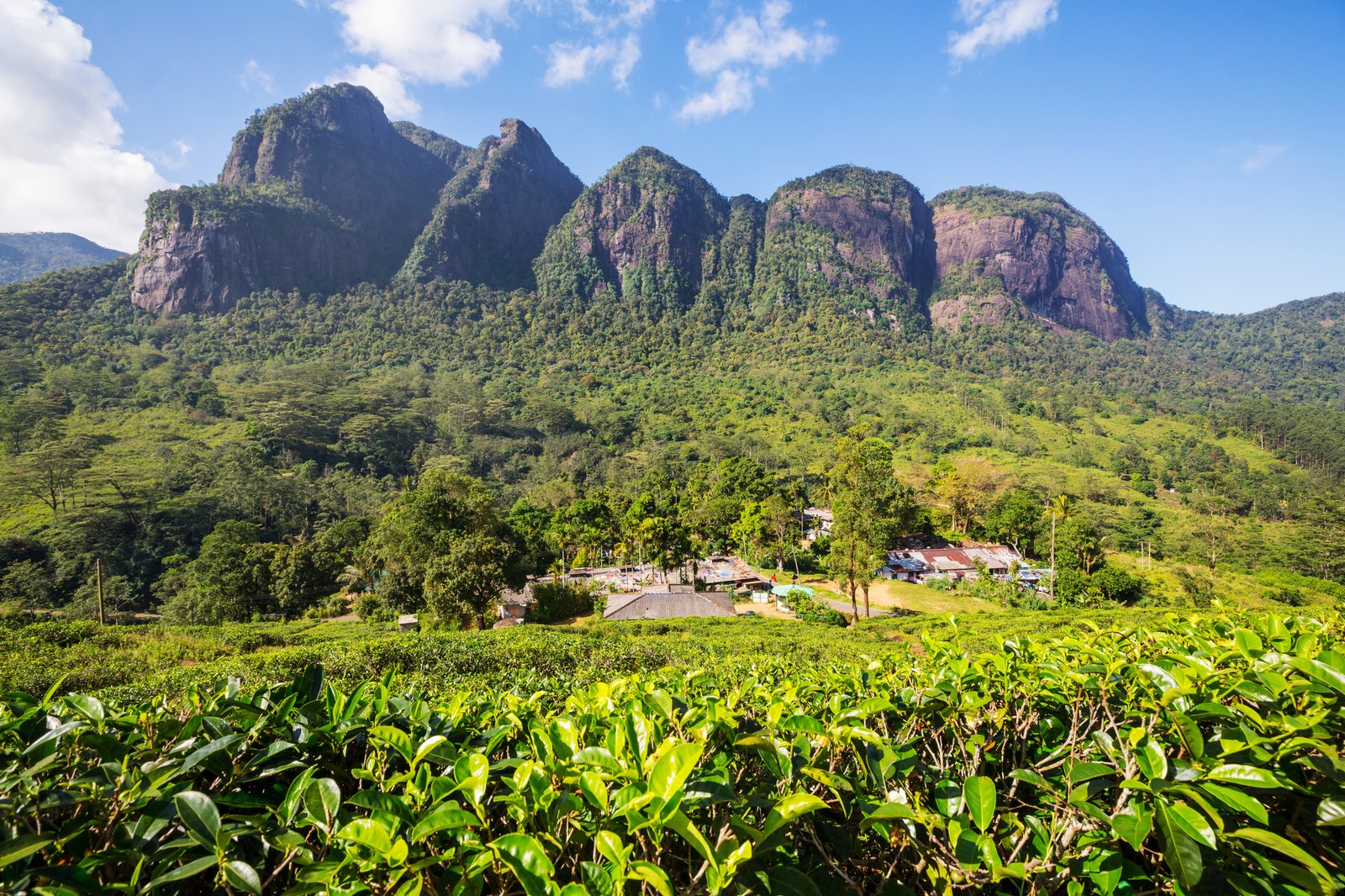
The Knuckles Mountain Range stands as one of Sri Lanka’s most pristine wilderness areas. Named for its resemblance to a clenched fist when viewed from certain angles, this mountain range offers something different from the usual tourist circuit. While most visitors flock to Ella or Nuwara Eliya, the Knuckles remains relatively untouched, preserving its natural beauty and traditional village life. The area became a UNESCO World Heritage Site due to its exceptional biodiversity and unique ecosystems that exist nowhere else on earth.
What sets the Knuckles apart is its raw, untamed character. There are no crowded viewpoints or commercialized attractions here. Instead, you’ll find cloud forests that shift with the mountain mist, streams that cut through ancient rock formations, and villages where life moves at the same pace it has for generations. This is Sri Lanka’s wild heart, and it rewards those who venture beyond the familiar paths.
Where is Knuckles Mountain Range
The Knuckles Mountain Range sits in central Sri Lanka, spanning across the Kandy and Matale districts. The range lies roughly 25 kilometers north of Kandy, making it accessible yet secluded enough to maintain its wilderness character. The peaks form a natural barrier between the central highlands and the lowland areas, creating distinct climate zones within a relatively small area.
The range takes its English name from the five prominent peaks that resemble the knuckles of a clenched fist. Locally, it’s known as “Dumbara Kanduvetiya” which translates to “mist-laden mountain range” – a fitting description for an area where clouds often roll through the valleys and wrap around the peaks. The protected area covers approximately 21,000 hectares of diverse terrain.
What Makes Knuckles Mountain Range Special
The Knuckles holds a special place in Sri Lanka’s natural heritage for several compelling reasons. First, it’s a biodiversity hotspot recognized globally for conservation importance. The range contains 34 distinct forest types packed into a compact area, from cloud forests at higher elevations to tropical wet forests in the valleys. This variety of habitats supports an incredible array of plant and animal species.
Many species found here exist nowhere else in the world. The region shelters endemic plants, rare orchids, and butterfly species that scientists continue to study. Birdwatchers particularly value the Knuckles for species like the Sri Lanka wood pigeon and yellow-eared bulbul that thrive in these protected forests.
Beyond natural diversity, the Knuckles region preserves traditional village culture. Small communities scattered throughout the mountains maintain agricultural practices and lifestyles that have remained largely unchanged. These villages offer glimpses into rural Sri Lankan life that’s becoming increasingly rare elsewhere. The people here have intimate knowledge of the land, passed down through generations of living in harmony with the mountain environment.
The landscape itself presents constant visual drama. Sharp ridges drop into deep valleys, waterfalls cascade over moss-covered rocks, and grassland plains suddenly give way to dense forest. Weather patterns change rapidly – you might start a morning in bright sunshine and find yourself wrapped in thick mist an hour later. This dynamic quality keeps the mountains interesting and photogenic throughout the day.
Best Time to Visit Knuckles Mountain Range
The Knuckles experiences two main seasons that affect the visiting experience significantly. The dry season runs from January through April, offering the most reliable weather conditions. During these months, trails remain more accessible, views tend to be clearer, and the risk of sudden heavy rainfall decreases. March and April can be quite warm in the lower elevations, though temperatures at higher altitudes stay comfortable.
From May to September, the southwest monsoon brings regular rainfall to the region. While this makes some trails more challenging, it also transforms the landscape. Waterfalls run at full force, the forests turn intensely green, and fewer visitors mean more solitude on the trails. The mist and clouds become more dramatic during this period, creating atmospheric conditions that photographers particularly appreciate.
October through December marks the inter-monsoon period and the start of the northeast monsoon. Weather becomes more unpredictable, with occasional heavy rains mixed with clear periods. However, this transition season can offer excellent conditions, especially in November when the landscape recovers from the previous monsoon but before the peak tourist season begins.
Temperature varies considerably with elevation. Valley areas can reach 25-30°C during the day, while higher peaks might drop to 10-15°C, especially in early mornings and evenings. Night temperatures at camping elevations often fall below 10°C, requiring proper preparation regardless of the season.
Things to See in Knuckles Mountain Range
The Mini World’s End viewpoint provides one of the most spectacular panoramas in the range. Unlike its more famous namesake at Horton Plains, this viewpoint sees far fewer visitors but delivers equally impressive views. The sheer drop reveals layer after layer of mountain ridges fading into the distance, with valleys and villages visible far below.
Knuckles Peak itself, the highest point at 1,863 meters, stands as the crowning feature of the range. The summit offers 360-degree views across central Sri Lanka, from the plains stretching toward the coast to the other peaks of the central highlands rising to the south.
Corbett’s Gap, named after a British surveyor, marks a natural pass through the mountains. This area showcases the transition between different forest types and provides access to several trails. The gap area often fills with clouds, creating ethereal conditions where trees emerge and disappear in the shifting mist.
Waterfalls appear throughout the range, some unnamed and known only to locals. Bambarakele Falls drops impressively during the wet season, while smaller cascades hide along forest streams. Each waterfall sits within pristine forest, surrounded by moss-covered rocks and cool mountain air.
The village of Meemure represents one of the most isolated traditional communities remaining in Sri Lanka. Located in a valley completely surrounded by mountains, this village maintained its separation from the outside world until recent decades. Traditional houses, terraced paddy fields, and a lifestyle centered on subsistence farming continue here.
Things to Experience in Knuckles Mountain Range
Mountain camping in the Knuckles offers an experience quite different from standard tourist accommodations. Designated camping areas exist at various elevations, allowing visitors to wake up surrounded by mountain wilderness. Early mornings at camp bring cool mountain air, bird calls echoing through the valleys, and sunrise views as light gradually illuminates the peaks.
The forest trails wind through different ecosystems, each with its own character. Cloud forests at higher elevations feel mysterious and ancient, with gnarled trees covered in moss and ferns. Lower elevation forests grow denser and more tropical, with larger trees and different wildlife. Grassland areas provide open spaces where you can see the mountain landscape spreading in all directions.
Wildlife observation requires patience and some luck, as animals in the Knuckles remain genuinely wild and wary. Early morning and late afternoon offer the best chances to spot creatures like the purple-faced langur moving through the trees or endemic birds active in the forest canopy. The sounds of the forest – bird calls, rustling leaves, distant streams – become more noticeable as you spend time in the quieter areas.
Village interactions provide cultural dimension to the natural experience. Meeting families who’ve lived in these mountains for generations offers perspective on human adaptation to challenging environments. Their knowledge of local plants, weather patterns, and wildlife comes from direct experience rather than books.
Why Visit Knuckles Mountain Range with a Local Guide
The Knuckles Mountain Range presents challenges that make local expertise particularly valuable. Trail markings are minimal or non-existent in many areas, and paths that look clear can suddenly become confusing where they branch or fade. Weather conditions change rapidly, and what seems like a manageable trail in good weather can become treacherous when mist rolls in or rain makes rocks slippery.
Local guides possess detailed knowledge of the terrain built over years of experience in these mountains. They know which routes suit different fitness levels, where to find the best viewpoints, and how to navigate when clouds obscure landmarks. More importantly, they understand weather patterns and can make real-time decisions about route changes or timing adjustments for safety.
Access to certain areas requires permissions and coordination with local communities. Villages control access to some trails crossing their land, and guides maintain the relationships that make these permissions straightforward. They also know which camping spots are appropriate and how to minimize impact on the sensitive environment.
The cultural and natural interpretation that experienced guides provide transforms the visit from simply seeing landscapes to understanding them. They can identify birds by their calls, explain the medicinal uses of forest plants, and share stories about the mountains that add depth to the physical experience. This knowledge isn’t available in guidebooks or online – it comes from living and working in these mountains.
Safety considerations make guided visits especially wise in the Knuckles. The region lacks mobile phone coverage in most areas, and help is far away if problems occur. Guides carry communication equipment for emergencies and know evacuation routes if needed. They also manage logistics like camping equipment, meals, and coordination with village contacts, allowing visitors to focus on experiencing the mountains rather than worrying about arrangements.