
Introduction
Udawalawe Reservoir stretches across the landscape in southern Sri Lanka, its waters backed up behind a massive dam built in the 1960s to provide irrigation and hydroelectric power. While most visitors to this region focus on the adjacent Udawalawe National Park with its famous elephant herds, the reservoir itself offers a quieter experience where water meets wilderness. The lake created by the dam flooded valleys and forests, creating a new ecosystem that attracts different wildlife than the surrounding dry zone scrubland.
What sets the reservoir apart is its dual character as both engineered infrastructure and wildlife habitat. The massive water body created conditions that didn’t previously exist in this dry region, concentrating water birds and creating shoreline environments that animals now depend on. The edges of the reservoir remain relatively undeveloped, with forests and grasslands extending to the waterline in many areas. This combination of expansive water views and surrounding wilderness creates landscapes quite different from typical Sri Lankan scenery, appealing to those seeking variety beyond beaches, mountains, and ancient ruins.
Where is Udawalawe Reservoir
Udawalawe Reservoir lies in the Ratnapura and Monaragala districts of southern Sri Lanka, approximately 170 kilometers southeast of Colombo. The dam that created the reservoir sits on the Walawe River, the third longest river in Sri Lanka, which drains from the central highlands toward the southern coast. The reservoir extends upstream from the dam for roughly 30 kilometers, covering an area of about 3,000 hectares when at full capacity.
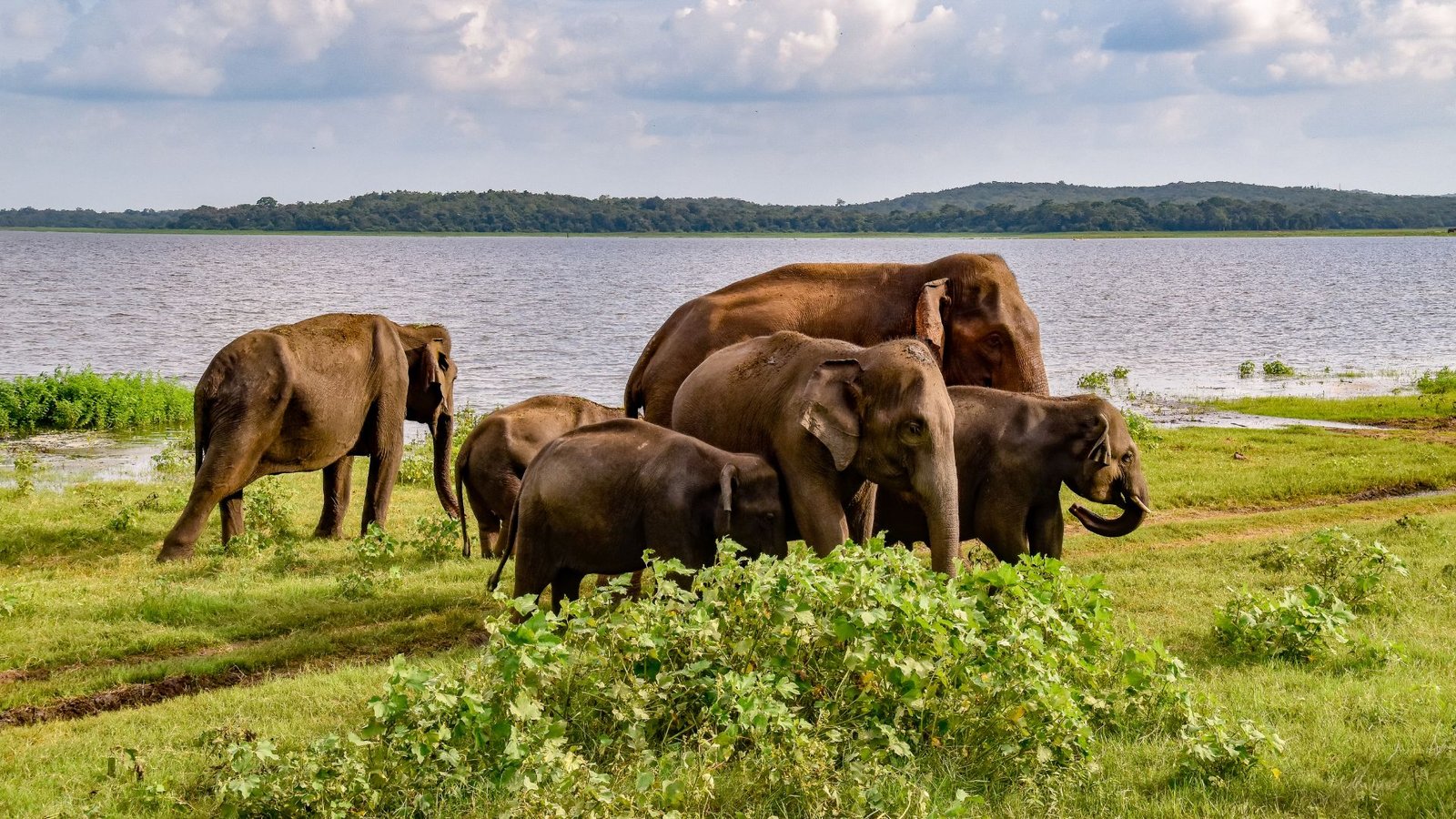
The town of Embilipitiya provides the nearest urban center, located about 20 kilometers from the dam. Most visitors approach via the Colombo-Ratnapura-Embilipitiya route or from the south coast through Hambantota. The reservoir sits adjacent to Udawalawe National Park on its eastern shore, and the park’s elephants sometimes come to the water’s edge to drink, creating opportunities to observe them from water-based perspectives rather than only from safari vehicles.
The geography features gently rolling terrain typical of the dry zone lowlands. Before the dam’s construction, this was an area of seasonal rivers and scrub forest that experienced significant water stress during dry periods. The reservoir fundamentally changed the hydrology, creating a permanent large water body that now defines the region’s character and ecology. The water level fluctuates with seasonal rainfall and irrigation demands, exposing mudflats and creating varied shoreline conditions throughout the year.
What Makes Udawalawe Reservoir Special
The scale of the reservoir impresses immediately upon arrival. The water stretches to distant horizons, creating an almost sea-like expanse in the middle of inland Sri Lanka. Unlike natural lakes which typically have irregular shapes following valley contours, the reservoir’s form was determined by the flooded river system, creating numerous arms and inlets as tributaries now feed directly into the main water body. This complex shoreline provides diverse habitats and creates scenic variety as different sections offer distinct characters.
Water bird populations concentrate at the reservoir in numbers that few other Sri Lankan locations match. The large water body attracts both resident species and migrants using the reservoir as a stopover on longer journeys. Painted storks, pelicans, cormorants, darters, and various heron and egret species feed in the shallows. Raptors like fish eagles patrol for prey, their distinctive calls echoing across the water. The exposed mudflats during low water periods become feeding grounds for wading birds probing for invertebrates and small fish trapped in receding pools.
Crocodile populations thrive in the reservoir’s extensive waters. Mugger crocodiles, the species native to Sri Lankan freshwater systems, find ideal conditions with abundant fish prey and undisturbed shorelines for basking and nesting. The crocodiles here grow to impressive sizes, sometimes exceeding four meters in length. Observing these prehistoric-looking reptiles in their aquatic habitat provides different perspectives than seeing them in smaller tanks or rivers, as the reservoir’s scale allows natural behaviors and movements.
The surrounding wilderness remains relatively intact despite the reservoir’s artificial origin. The government designated buffer zones around the reservoir where development is restricted, preserving forests and grasslands that extend to the waterline. This protected periphery means wildlife can access the water naturally, and the reservoir edges function as part of the broader ecosystem rather than becoming developed shorelines with the human infrastructure that typically surrounds large water bodies near population centers.
The dam structure itself represents significant engineering accomplishment from the 1960s development period. The massive earth-fill dam rises over 50 meters and stretches nearly 2,500 meters across the valley. The spillway can handle enormous water volumes during peak flows, and the hydroelectric power station contributes to the national grid. While primarily functional infrastructure, the dam’s scale and the views from its crest provide perspectives on both the engineering achievement and the landscape it transformed.
Best Time to Visit Udawalawe Reservoir
The dry season from May through September creates optimal conditions for wildlife observation around the reservoir. As the dry period extends, water levels drop significantly, exposing extensive mudflats and concentrating fish in shrinking pools. This concentration attracts massive numbers of water birds, and the exposed shorelines make wildlife viewing easier as animals must come to the water’s edge to drink. The lower vegetation during dry months also improves visibility across the surrounding landscape.
February through April represents another good period when the previous monsoon’s water levels have stabilized but haven’t yet dropped to dry season lows. The weather remains pleasant with moderate temperatures before the intense heat of April and May arrives. Bird activity stays high as breeding seasons overlap this period for many species. The reservoir’s water remains relatively high, creating different scenic qualities than the exposed mudflat conditions of late dry season.
October through January brings the northeast monsoon and the reservoir’s filling period. Heavy rains in the catchment area raise water levels dramatically, sometimes causing the spillway to operate spectacularly as excess water cascades over the dam. The rising water disperses wildlife across wider areas as shoreline access becomes available everywhere rather than concentrated at limited low-water sites. The landscape turns green as vegetation responds to moisture, transforming the typically brown dry zone into a temporarily lush environment.
Early morning hours from sunrise until about 9 AM provide the best wildlife activity and photography light. Birds feed most actively during these cooler hours, crocodiles bask on banks warming themselves after cool nights, and any elephants in the area often come to drink before retreating to shade during the heat of day. The angled morning light creates better conditions for photography than harsh midday sun directly overhead.
Late afternoon from about 3 PM until sunset offers similar advantages. As temperatures moderate from midday peaks, wildlife becomes active again. The evening light painting the water in warm colors creates particularly photogenic conditions. Water birds become vocal as they establish roosting locations for the night, and the sounds of the wilderness increase as diurnal species prepare to rest and nocturnal animals begin stirring.
Things to See in Udawalawe Reservoir
The dam crest provides panoramic views across the reservoir and surrounding landscape. From this elevated position, the full scale of the water body becomes apparent, with the flooded valleys stretching into the distance. On clear days, the central highlands are visible far to the north, showing the mountains where the Walawe River originates. The view also reveals the interface between the reservoir and Udawalawe National Park, where wilderness extends right to the water’s edge.
Submerged forest remnants still visible in shallow areas tell stories of the landscape that existed before the dam. Dead tree trunks protrude from the water in places, their bleached wood now serving as perches for cormorants and other water birds. During extreme low water periods, more of the original landscape emerges – old roads, building foundations, and terrain features temporarily reappearing before the next rains submerge them again.
Bird colonies establish in trees along quiet shoreline sections where human disturbance remains minimal. These nesting colonies can contain hundreds or thousands of birds depending on the species and season. The sight and sound of these colonies – the constant movement of birds coming and going, the calls of adults and chicks, the white staining on surrounding vegetation from accumulated droppings – creates wildlife spectacle on a scale that individual bird sightings cannot match.
Inlet areas where tributary streams enter the reservoir create particularly productive wildlife zones. The moving water brings nutrients and small prey species, attracting predators and water birds. The shallower water and varied depth creates diverse micro-habitats within short distances. Fish concentrate in these areas, bringing crocodiles and fish-eating birds. The surrounding vegetation often grows more densely where stream water provides year-round moisture, creating green corridors in otherwise dry landscapes.
The spillway becomes dramatically active during high water periods when the reservoir exceeds capacity. The sight of massive water volumes cascading over the dam, the sound of the rushing water, and the mist created by the falling water transform the typically placid infrastructure into dynamic natural force. The power of water moving through the spillway gates demonstrates the engineering required to safely manage flows that during major floods can exceed hundreds of cubic meters per second.
Things to Experience in Udawalawe Reservoir
Boat trips across the reservoir reveal perspectives impossible from shore. The scale of the water body becomes visceral as land recedes and you’re surrounded by water on all sides. Approaching shorelines from the water side shows wildlife from different angles – crocodiles that would disappear at human approach on land often remain visible when approached by quiet boats. The mobility that boats provide allows covering large areas efficiently, visiting multiple inlets and shoreline sections during a single outing.
Camping near the reservoir creates opportunities for dawn and dusk experiences that day visitors miss. The sounds change dramatically after dark as nocturnal species become active – the calls of nightjars, the movement of animals coming to drink under cover of darkness, the splash of fish jumping. The stars reflect on the calm water surface, and the absence of light pollution creates excellent conditions for stargazing. Morning arrives with bird calls building gradually from a few early singers to full dawn chorus.
Photography around the reservoir benefits from the constantly changing light conditions and water levels. The interplay of light on water, the reflections of surrounding landscape and sky, the silhouettes of birds in flight, the patterns created by exposed mudflats – all provide diverse subjects. The scale allows both wide landscape shots showing the reservoir’s extent and telephoto work on wildlife along the shores. Sunrise and sunset particularly offer dramatic conditions as changing light transforms the scene minute by minute.
Observing fishing activities shows local communities utilizing the reservoir’s resources. Fishermen work the waters using various methods – gill nets set overnight, throw nets cast from boats, line fishing from favorable spots. The catches include introduced species like tilapia alongside native fish that adapted to the reservoir environment. Watching these fishing operations demonstrates traditional knowledge applied to this relatively new ecosystem and shows the economic value the reservoir provides beyond irrigation and power generation.
The seasonal transformation as water levels rise and fall creates dramatically different landscapes throughout the year. Visiting during different seasons shows how the same location changes character – from exposed mudflats teeming with wading birds to deep water where those same spots lie meters beneath the surface. This dynamic quality means the reservoir never presents exactly the same face twice, rewarding repeat visits with new conditions and wildlife opportunities.
Why Visit Udawalawe Reservoir with a Local Guide
Boat operators familiar with the reservoir know which areas hold the most wildlife interest during different water levels and seasons. The reservoir covers extensive area, and without guidance, visitors might spend time exploring less productive sections while missing the inlets, shorelines, or islands where animals concentrate. Experienced guides understand how water level changes affect where birds feed, where crocodiles bask, and where elephants come to drink, directing boat trips to maximize wildlife encounters.
Bird identification requires expertise that develops over years of observation. The reservoir attracts dozens of water bird species, many similar in appearance to casual observers. Guides can distinguish between different heron and egret species, identify waders by their feeding behavior and calls, recognize raptors soaring overhead, and spot rare or significant species that non-experts might overlook. This identification skill transforms a confusing array of birds into distinct species with particular ecological roles and behaviors.
Understanding the reservoir’s ecology and how it differs from natural lake systems adds context to observations. Guides can explain how the artificial creation changed regional wildlife patterns, discuss which species benefited from the new habitat versus those displaced, describe the relationship between water level management and wildlife populations, and share knowledge about the continuing evolution of this relatively young ecosystem. This ecological interpretation enriches visits beyond simple wildlife viewing.
Safety on the water requires boating skills and knowledge of local conditions. The reservoir can become rough when winds pick up, and knowing which areas remain safe during different weather conditions prevents dangerous situations. Guides understand the bathymetry – where shallows and deep areas lie, where submerged obstacles might pose hazards, which shorelines can be approached safely. They also maintain boats properly and carry safety equipment appropriate for extended time on large water bodies.
Photography guidance helps capture better images of birds and wildlife around the reservoir. Guides position boats for optimal angles considering light direction and background, communicate with boat operators to make small adjustments for composition, predict bird behavior that might create action shots, and suggest camera settings for different lighting conditions on water. Their assistance produces significantly better results than visitors attempting to simultaneously handle cameras while navigating unfamiliar waters.
Access to camping locations and arrangements requires local connections and knowledge. The areas around the reservoir include both public lands and private property, with some sections better suited for camping than others. Guides handle permission arrangements with landowners where necessary, know which sites offer good facilities versus which require completely self-sufficient camping, and understand seasonal factors like insect levels or weather patterns that affect camping comfort and safety.
The historical context about the dam’s construction and the area before flooding adds human dimension to the landscape. Guides can share stories about villages that were relocated when the valley flooded, discuss the political and economic factors that drove the dam’s construction, explain how local communities adapted to the massive landscape changes, and describe the ongoing balance between development benefits and environmental impacts. This historical perspective shows the reservoir as more than just water and wildlife – it represents significant social and environmental transformation.
Coordination with visits to adjacent Udawalawe National Park allows efficient exploration of both areas. Guides understand how to structure multi-day itineraries that combine reservoir experiences with park safaris, optimize timing for different activities, arrange accommodation that provides good access to both locations, and ensure visitors experience the full diversity of wildlife and landscapes this region offers rather than focusing narrowly on just the famous park elephants.