
Introduction
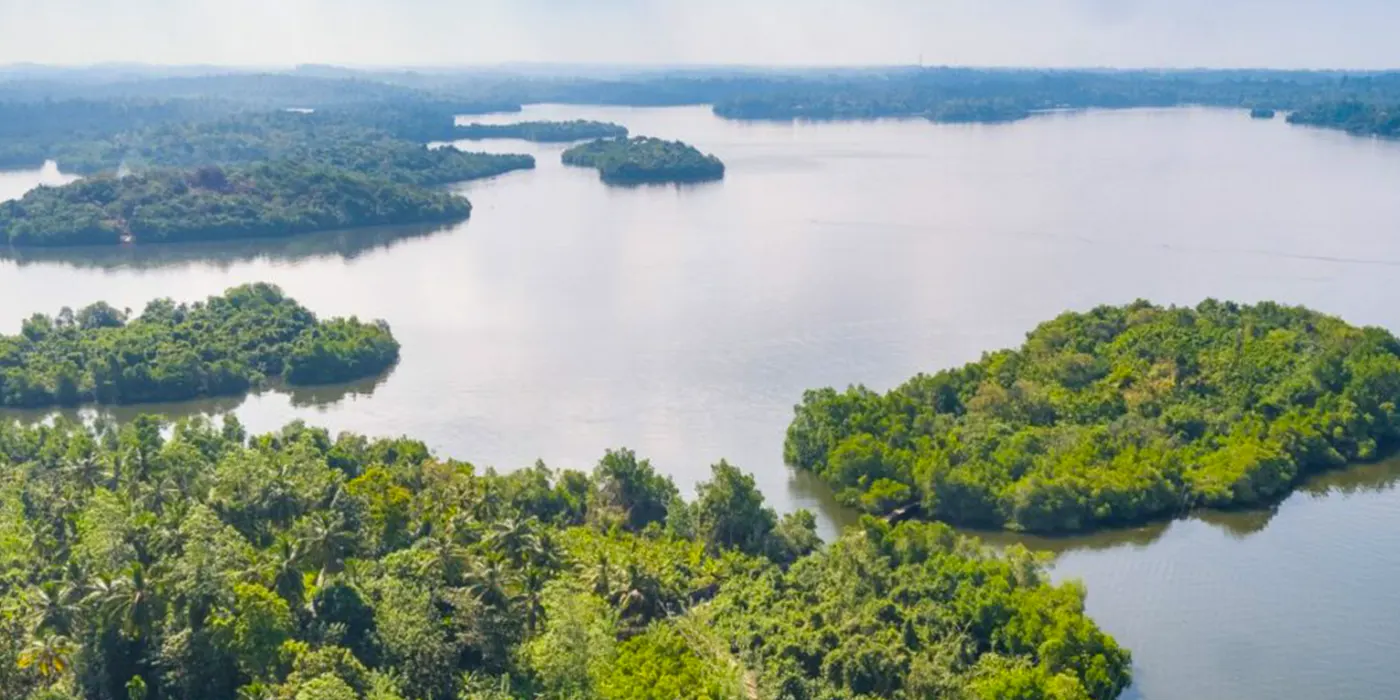
Madu River winds through the southern coast of Sri Lanka, creating a complex ecosystem where freshwater meets saltwater and dense mangrove forests form natural corridors along winding channels. Unlike the more developed beach areas nearby, the Madu River maintains a quieter character where nature still dominates and local communities live in harmony with the water system that sustains them. The river isn’t a single channel but rather a network of waterways, islands, and wetlands that together form one of Sri Lanka’s most biodiverse coastal ecosystems.
What sets the Madu River apart is its preserved state. Despite sitting relatively close to tourist centers like Hikkaduwa and Galle, the river system has avoided heavy commercial development. The mangroves remain thick and healthy, the water runs clean enough to support diverse marine life, and the islands scattered throughout the system retain their natural vegetation and small communities. This preservation wasn’t accidental – local awareness of the river’s ecological importance has protected it from the development pressures affecting other coastal areas.
Where is Madu River
The Madu River system sits on Sri Lanka’s southwestern coast in the Galle District, approximately 88 kilometers south of Colombo. The river flows through Balapitiya, a small town that serves as the main access point for river activities. From Balapitiya, the river spreads inland, branching into multiple channels that weave between islands and through mangrove forests before eventually connecting to the ocean near Balapitiya itself.
The river system covers roughly 915 hectares of wetlands, making it one of the largest remaining mangrove ecosystems on Sri Lanka’s west coast. The area includes 64 islands of varying sizes, from tiny patches of land barely supporting a few trees to larger islands with resident communities, temples, and commercial activities like cinnamon cultivation.
Geographically, the Madu River sits in the wet zone of Sri Lanka, receiving substantial rainfall throughout much of the year. This abundant water supply keeps the river system healthy and the mangroves thriving. The tidal influence from the nearby ocean creates brackish conditions in much of the river, supporting species adapted to this mix of fresh and saltwater environments.
What Makes Madu River Special
The mangrove ecosystem represents the river’s most significant natural feature. These salt-tolerant trees create unique habitats where their exposed root systems provide nurseries for juvenile fish and shelter for countless other species. The mangroves also perform crucial environmental services – filtering water, preventing coastal erosion, and storing carbon. The Madu River mangroves include several species, each adapted to different salinity levels and tidal zones within the system.
Biodiversity thrives in the river’s protected environment. Over 300 plant species grow within the wetlands, including several endemic to Sri Lanka. The fish population includes both freshwater and marine species that use the brackish water as transitional habitat. Water monitors, crocodiles, and various snake species inhabit the riverbanks and islands. The bird life particularly impresses, with resident species joined by migrants that use the wetlands as feeding and resting areas during seasonal movements.
The islands within the river system each possess distinct characters. Some remain completely wild, covered in dense vegetation with no human presence. Others support small communities whose families have lived on these islands for generations, making their living from fishing, cinnamon production, and providing river services. Several islands contain Buddhist temples, some quite ancient, where the river setting creates peaceful environments for religious practice.
Cinnamon cultivation has historical importance along the Madu River. The Portuguese and Dutch colonizers recognized this area’s ideal conditions for growing cinnamon, and production continues today on several islands. The traditional methods of harvesting and processing cinnamon bark remain largely unchanged, with families passing down knowledge and techniques through generations. The distinctive scent of drying cinnamon often drifts across the water.
The river plays a vital role in local livelihoods beyond tourism. Fishing communities depend on the healthy ecosystem to sustain fish populations. The mangroves provide materials for traditional building and boat construction. The water system supports agriculture on islands and along riverbanks where the fertile soil and reliable water supply enable year-round cultivation. This economic dependence creates strong local incentives for environmental protection.
Best Time to Visit Madu River
The southwestern monsoon affects the Madu River region from May through September, bringing regular rainfall and higher water levels. While rain can interrupt river activities, the wet season has advantages – the mangroves look their most lush and green, waterfowl populations increase as wetlands expand, and the landscape takes on rich saturated colors. Morning visits often stay dry even during monsoon months, as rain typically arrives in afternoon or evening. The wet season also means fewer tourists and a more peaceful river experience.
November through April marks the dry season when weather conditions become more predictable. December through March offers the most reliable sunshine and calm conditions, making it the peak period for river visits. However, this popularity means more boats on the water and busier conditions at popular spots. The dry season also sees water levels drop somewhat, though the river remains easily navigable throughout.
October represents a transitional month when the monsoon winds down but hasn’t completely cleared. Weather becomes variable, with sunny periods alternating with rain showers. This unpredictability keeps tourist numbers lower while offering good chances of decent weather. The landscape shows the effects of months of rain – everything appears fresh and green, water levels run high, and wildlife activity increases as animals take advantage of abundant food sources.
Early morning and late afternoon provide the best conditions for experiencing the river regardless of season. Morning brings cooler temperatures, calmer water surfaces, and active bird life as species feed after the night. The light quality suits photography, with gentle illumination that doesn’t create harsh shadows. Late afternoon offers similar advantages plus the possibility of dramatic sunset views as the sun lowers toward the horizon, painting the sky and reflecting in the still water of sheltered channels.
Tide cycles influence the river experience, particularly in channels closest to the ocean. High tide brings deeper water that allows access to smaller channels and moves saltwater species further upstream. Low tide exposes mudflats where wading birds feed and can make some shallow areas difficult to navigate. Local guides understand these tidal patterns and plan routes accordingly to maximize what visitors can access and observe.
Things to See in Madu River
The mangrove tunnels create one of the river’s most atmospheric features. Channels narrow in places where mangrove branches arch overhead, forming natural tunnels of vegetation. The enclosed feeling, the play of light filtering through leaves, and the way sound becomes muffled by the surrounding greenery make these passages memorable. The roots create complex patterns in the shallow water, and small crabs scuttle across exposed mud when boats pass.
Kothduwa Temple sits on an island in the river, its history stretching back over two centuries. The temple includes both ancient and modern elements, with a large dagoba, several shrine rooms, and a bodhi tree descended from the sacred tree in Anuradhapura. The island setting gives the temple a serene quality, accessed by boat and separated from the noise of the mainland. Monks maintain the temple, and local devotees make regular visits to worship and make offerings.
Smaller islands dot the river system, each with particular characteristics. Some support single families who’ve built houses on stilts above the water level. Others function as cinnamon plantations where you can see the bushes growing and smell the harvested bark drying in the sun. Uninhabited islands provide habitat for nesting birds and roosting bats, their trees filled with the sounds and movements of wildlife undisturbed by human presence.
Fish farming operations appear along some river sections where nets enclose areas of water. These farms raise species suited to brackish water conditions, providing protein and income for local families. The farms demonstrate how communities utilize the river’s resources while maintaining sustainable practices that don’t damage the broader ecosystem.
Water monitors, large lizards that can reach two meters in length, inhabit the riverbanks and islands. These impressive reptiles swim well and climb trees with surprising agility. Spotting them basking on logs or swimming across channels adds excitement to river journeys. Despite their somewhat intimidating appearance, they typically flee from approaching boats rather than showing aggression.
Birdlife varies throughout the river system depending on habitat type. Herons and egrets work the shallow areas, standing motionless before striking at fish. Kingfishers perch on overhanging branches, their bright colors flashing as they dive for small fish. Cormorants gather on dead trees and posts, wings spread to dry after fishing dives. The mangroves shelter smaller species that flit through the branches, while raptors occasionally circle overhead scanning for prey.
Things to Experience in Madu River
Moving through the mangrove channels by water reveals the ecosystem at close range. The intricate root systems become visible beneath the surface, showing how mangroves stabilize sediments and create habitats. The subtle changes in vegetation as channels shift between different salinity levels demonstrate how plant communities adapt to specific conditions. The sounds change as you move from open water to enclosed channels – bird calls echo differently, water laps against hulls with varying rhythms, and the silence in the deepest mangrove sections feels almost profound.
Fish spa experiences happen at several locations along the river where small fish called garra rufa gather in clear shallow water. These fish nibble at dead skin, creating a tickling sensation that many find amusing. While this has become a somewhat commercialized activity, the natural setting and the fact that these fish actually inhabit the river rather than being imported for tourism gives it authenticity that indoor spa versions lack.
Observing traditional cinnamon processing on the plantation islands shows skills that take years to master. Workers peel thin layers of bark from cinnamon branches, a delicate process that requires knowing exactly how much pressure to apply and where to make cuts. The peeled bark curls naturally as it dries, forming the familiar cinnamon quills. The entire process from harvest to finished product happens in these small island operations using methods centuries old.
The river at dawn or dusk takes on different qualities than midday visits. Early morning mist sometimes hangs over the water, gradually lifting as the sun rises and warms the air. Bird activity peaks during these hours when many species feed most actively. Evening brings its own atmosphere as the light softens and changes color, fishing birds make final catches before dark, and the river gradually quiets as day transitions to night.
Local fishing techniques vary depending on target species and location within the river. Some fishermen use throw nets, casting them in graceful circular motions that spread the net before it settles over fish. Others set permanent traps made from woven palm fronds positioned to catch fish moving with tidal flows. Hook and line fishing happens from boats and from perches on rocks or fallen trees. Watching these methods demonstrates intimate knowledge of fish behavior and river conditions.
Why Visit Madu River with a Local Guide
Understanding what you’re observing in the mangrove ecosystem requires knowledge that comes from regular time on the river. The difference between mangrove species, the relationship between root structure and habitat creation, the seasonal patterns of fish populations, the identification of birds by sight and sound – this information enriches the experience immensely but isn’t obvious to casual observers. Experienced guides can explain the ecological relationships that make the river system function, pointing out details that reveal how everything connects.
Navigation through the river’s complex channel network requires familiarity with the waterways. The system includes dozens of channels that look similar, branch confusingly, and change character with tidal levels. Without guidance, visitors could easily spend time in less interesting areas while missing the most scenic mangrove tunnels, the best wildlife observation spots, or the islands with particular features worth visiting. Guides know which routes work for different water levels and how to structure a journey to see maximum diversity.
Respectful interaction with island communities requires cultural sensitivity and established relationships. The families living on river islands pursue their livelihoods and maintain their homes in these locations – they’re not performing for tourists. Understanding when visits are welcome, how to behave respectfully, which islands prefer not to receive visitors, and how to ensure interactions benefit local people rather than intrude on their lives requires the kind of community connections that experienced guides maintain.
Wildlife observation benefits greatly from guides who know animal behavior and habitat preferences. They understand where water monitors typically bask, which trees attract particular bird species, what times of day offer best chances for wildlife sightings, and how to approach animals without disturbing them. This knowledge dramatically increases the likelihood of meaningful wildlife encounters while ensuring observations happen ethically without causing stress to the animals.
Safety considerations on the water, while not dramatic, still require attention. Knowing which areas become shallow at low tide, understanding boat traffic patterns, recognizing weather changes that might affect conditions, and handling boats safely in currents and wind all require experience. Guides provide this expertise while also carrying communication devices for emergencies and knowing the quickest routes back to access points if weather deteriorates or other issues arise.
The cultural and historical context that guides provide adds depth to river visits. They can explain the history of cinnamon cultivation, the role the river played in colonial trade, the religious significance of island temples, and the traditional fishing methods still practiced today. This narrative context transforms a scenic boat ride into an educational experience that reveals how human communities and natural ecosystems have coexisted in this landscape for centuries.