
Introduction
Pettah Market sprawls across central Colombo in a maze of narrow streets where commerce has thrived for centuries. This isn’t a sanitized market created for tourists – it’s the genuine commercial heart of Colombo where locals come to buy everything from vegetables to electronics, where wholesale traders move goods in massive quantities, and where the energy of urban Sri Lankan life reaches its highest intensity. The sensory overload of Pettah – the crowds, the calls of vendors, the rainbow of goods spilling from shops, the mix of smells from spices and street food – creates an experience completely different from resort beaches or ancient temples.
What makes Pettah fascinating is its layered history visible in the architecture, street names, and trading patterns. Dutch colonial buildings stand beside Hindu kovils, mosques rise near Buddhist temples, and the diverse communities that built Colombo’s commercial success continue trading side by side. The market district preserves traditional commerce methods even as modern influences slowly creep in, creating a snapshot of how Sri Lankan cities functioned before shopping malls and online retail changed consumer patterns.
Where is Pettah Market, Colombo
Pettah occupies the area immediately east of Colombo Fort, the city’s historic administrative center. The market district sits between the Fort Railway Station and the Colombo Harbor, with Main Street and 5th Cross Street forming primary thoroughfares through the commercial area. The neighborhood extends roughly from the Khan Clock Tower in the north to Olcott Mawatha in the south, covering approximately one square kilometer of densely packed commercial activity.
The location made strategic sense historically – positioned between the port where goods arrived and the Fort area where colonial administrators and merchants operated. This geography meant Pettah became the natural trading hub where imports were distributed and local products gathered for export. That fundamental role hasn’t changed despite centuries passing since the Dutch laid out the district’s basic street pattern.
Pettah remains easily accessible by multiple transport methods. The Fort Railway Station sits at the market’s western edge, making it a natural arrival point for visitors staying elsewhere in Colombo. Numerous bus routes serve the area, and the neighborhood is walkable from Colombo Fort and the nearby Galle Face area. However, vehicular traffic moves slowly through the crowded streets, making walking the most practical way to explore once you’ve arrived in the district.
What Makes Pettah Market, Colombo Special
The organization by product type creates distinct zones within Pettah where entire streets specialize in particular goods. One street sells nothing but textiles and fabric, the next concentrates on hardware and tools, another focuses on electronics, while others handle spices, vegetables, or jewelry. This clustering developed organically over time as merchants grouped with competitors, creating concentrated markets where buyers could compare options easily. The specialization means you can find almost anything in Pettah if you know which street to visit.
The religious diversity visible throughout Pettah reflects Colombo’s multicultural character. The red-and-white striped Jami Ul-Alfar Mosque stands as a landmark visible throughout the district, its distinctive architecture drawing attention even amid the commercial chaos. Hindu kovils decorated with colorful deity statues mark Tamil merchant presence. Buddhist temples provide quiet spaces off the main commercial streets. Christian churches add to the religious mix. This concentration of different faiths coexisting in close proximity shows a tolerance and interdependence that commercial relationships can foster.
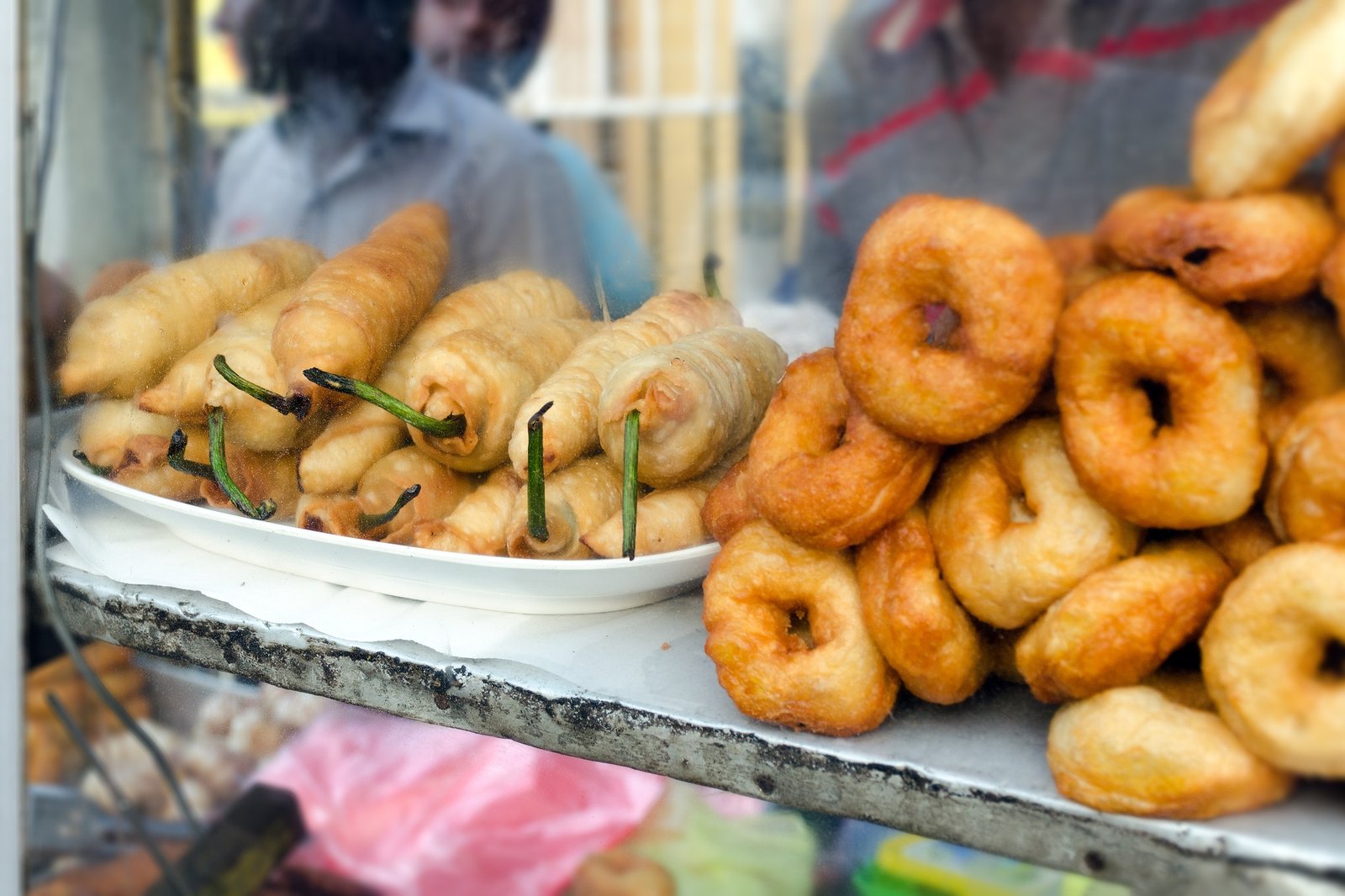
Street food vendors create a parallel economy alongside the shops and wholesale operations. Small carts and hole-in-the-wall eateries serve workers, shoppers, and porters throughout the day. The food reflects Sri Lanka’s culinary diversity – Tamil vegetarian meals, Muslim biryanis and rotis, Sinhalese short eats and rice packets. The quality often surpasses more formal restaurants because these vendors depend on regular local customers who demand good food at fair prices. The street food scene provides the most authentic taste of Colombo’s working-class cuisine.
The human-powered logistics system impresses in its scale and efficiency. Porters carry enormous loads balanced on their heads or shoulders, navigating through crowds with practiced skill. Hand carts piled impossibly high with goods thread through traffic. The physical labor required to move the volume of products that flows through Pettah daily demonstrates economic activity that hasn’t been mechanized despite modern alternatives. Watching these porters work shows both their incredible strength and the economic necessity that keeps this system functioning.
Colonial-era architecture survives throughout Pettah despite the commercial pressures. Dutch and British period buildings show distinctive features – thick walls designed for tropical heat, high ceilings for air circulation, covered arcades that provide shade for pedestrians. Many buildings maintain their original structure even as their uses have evolved. This architectural heritage gives Pettah character that modern commercial districts lack, creating visual interest beyond the goods for sale.
Best Time to Visit Pettah Market, Colombo
Weekday mornings from about 8 AM to 11 AM show Pettah at peak activity. Wholesale business happens early when buyers from other parts of the country arrive to purchase goods for their shops. The energy during these hours runs highest as porters move stock, merchants negotiate deals, and the day’s commerce begins in earnest. The crowds are dense but not yet overwhelming, and the mix of wholesale and retail activity creates the most dynamic atmosphere.
Late mornings through early afternoon see retail activity increase as individual shoppers arrive. The wholesale rush subsides somewhat, making it slightly easier to move through the streets. However, heat builds during midday hours, and the lack of shade on many streets combined with the crowd density can make conditions uncomfortable. Visiting during this period works best if you have specific shopping goals rather than casual exploration.
Friday afternoons become particularly busy as Muslims head to prayers at the mosques scattered through Pettah. The area around Jami Ul-Alfar Mosque especially fills with worshippers. While this creates more crowds, it also offers cultural observation opportunities as religious practice interrupts commercial activity. Shops owned by Muslim merchants may close during prayer times, affecting which areas remain active for shopping.
Sundays see many shops closed or operating on reduced schedules, particularly businesses owned by Christian merchants. The usually packed streets become more navigable, offering easier walking conditions and better photography opportunities without constant crowd interference. However, the reduced activity means less of the characteristic market energy. Sunday visits work well for architectural appreciation and general exploration rather than experiencing peak market atmosphere.
Avoiding major holidays is advisable as Pettah either becomes extremely crowded with pre-holiday shoppers or shuts down almost entirely during the holiday itself. The days before Sinhala and Tamil New Year, Ramadan shopping periods, and December holidays create crowds that exceed even normal Pettah density. Conversely, during actual holiday dates, the district can feel eerily quiet as merchants and workers celebrate with their families.
Things to See in Pettah Market, Colombo
The Jami Ul-Alfar Mosque dominates Pettah’s skyline with its red and white candy-striped architecture. Built in 1909, the mosque represents South Indian Islamic architectural influence with its decorative style quite different from Arab mosque traditions. While non-Muslims cannot enter during prayer times, the exterior alone rewards observation. The building appears almost playful with its colorful pattern, a striking contrast to the commercial grit surrounding it.
The Dutch Period Museum occupies a restored colonial building that once housed the official residence of the Dutch Governor. The museum displays artifacts from Dutch colonial rule, including furniture, weapons, and documents that illuminate this period of Sri Lankan history. The building itself demonstrates Dutch tropical architecture with thick walls, small windows for climate control, and a layout designed for both residential and official functions.
Manning Market operates as a covered wholesale fruit and vegetable market where produce from across Sri Lanka arrives for distribution. The sheer quantity of goods moving through creates impressive visual displays – mountains of pineapples, stacks of banana bunches, piles of coconuts, heaps of vegetables arranged in colorful patterns. The market smells strongly of ripe fruit and vegetables, and the noise level from vendors shouting prices and buyers negotiating creates constant ambient sound.
The old Colombo Municipal Council building showcases colonial administrative architecture with its imposing facade and formal design. While the government offices have moved to new locations, the building remains a landmark that speaks to Colombo’s colonial past. The structure’s scale and decoration indicate the importance municipal administration held during British rule.
Gold jewelry shops cluster along certain streets where window displays glitter with elaborate designs. These shops primarily serve local customers buying jewelry for weddings and special occasions rather than tourist trade. The craftsmanship ranges from traditional Sri Lankan designs to modern styles, and the volume of gold on display in concentrated areas creates remarkable visual impact.
Hindu kovils appear throughout Pettah, their gopurams decorated with painted deity figures providing bursts of color against the urban backdrop. The Sri Ponnambalam Vanesar Kovil, the largest in Colombo, sits just outside the main market area. These temples serve the Tamil community while also attracting devotees from other backgrounds who come to worship particular deities housed within.
Things to Experience in Pettah Market, Colombo
Navigating Pettah’s streets requires accepting the chaos and finding rhythm within it. The crowds move in unpredictable patterns as people stop to examine goods, vendors call out prices, and vehicles attempt passage through pedestrian masses. Learning to flow with this movement rather than fighting against it transforms the experience from frustrating to fascinating. The energy becomes infectious once you stop resisting and simply participate in the urban dance.
Sampling street food offers direct access to authentic Colombo flavors. Kottu roti vendors rhythmically chop flatbread with vegetables and meat on metal griddles, the clanging sound announcing their presence from blocks away. Wade shops serve lentil fritters and other fried snacks perfect for quick energy during market exploration. Fresh fruit juice stands squeeze tropical fruits to order, providing refreshment in the heat. The food comes cheap, tastes good, and connects you to local food culture in ways restaurant meals cannot.
Observing commercial negotiations reveals business practices and social interactions. Wholesale buyers examine quality, discuss prices, and arrange delivery details in rapid exchanges mixing multiple languages. The familiarity between regular trading partners contrasts with the formal distance between new business contacts. Understanding these dynamics requires just watching and listening as deals happen around you throughout the day.
The sensory overload becomes an experience itself – the visual chaos of goods and signs, the smell mixing spices with vehicle exhaust and cooking food, the sound of vendors hawking wares and shoppers bargaining, the feeling of crowds pressing close, the taste of street food and dust. This intensity can overwhelm initially, but accepting it as part of Pettah’s character allows appreciation of urban life at its most unfiltered.
Architecture observation rewards attention to details above street level. While shops fill ground floors with goods, upper stories often preserve colonial-era features. Decorative columns, arched windows, ornate cornices, and faded painted advertisements on walls reveal layers of history. Looking up provides breaks from the ground-level commercial intensity while discovering architectural elements worth photographing.
Why Visit Pettah Market, Colombo with a Local Guide
Understanding the product specialization by street requires local knowledge that isn’t immediately obvious. Knowing which street holds hardware versus electronics, where to find specific spices versus general groceries, which area handles textiles versus readymade clothing – this information saves time and prevents aimless wandering through areas that don’t interest you. Guides familiar with Pettah can navigate directly to zones matching your interests.
Cultural context enriches what might otherwise seem like random commercial activity. Guides can explain the historical reasons for Muslim concentration in certain streets, the role of Tamil merchants in specific trades, how religious festivals affect market rhythms, and why particular architectural features appear on certain buildings. This narrative framework helps make sense of the complex cultural geography that Pettah represents.
Safety awareness becomes important in crowded urban environments where pickpocketing can occur. Experienced guides know which areas require extra vigilance, how to move through crowds while protecting valuables, and which streets are best avoided during particular times. They also understand traffic patterns and can guide you safely across streets where vehicles, pedestrians, and hand carts compete for space without clear right-of-way rules.
Street food recommendations separate the excellent vendors from mediocre or potentially risky options. Local guides know which kottu stand makes the best version, which juice vendor uses the freshest fruit, which restaurants maintain proper hygiene standards, and which snacks are worth trying versus which you can skip. This insider knowledge lets you experience Pettah’s food culture without unnecessary digestive risks.
Photography opportunities abound but knowing where and when to photograph respectfully requires cultural sensitivity. Some merchants welcome photography while others object, religious sites have restrictions during worship times, and people may or may not appreciate being photographed. Guides understand these boundaries and can facilitate photography that captures Pettah’s character while respecting residents’ comfort and religious sensitivities.
The historical and architectural significance that buildings hold isn’t marked with plaques or signs. A guide can point out which structures date to Dutch periods, explain the architectural styles that different colonial powers introduced, identify which buildings housed important historical functions, and share stories about the area’s development. This historical layer adds depth to walks that might otherwise register only present-day commercial activity.
Language barriers can make interactions difficult in Pettah where many merchants speak primarily Sinhala or Tamil with limited English. Guides can facilitate conversations, help with negotiations if you want to purchase items, explain what vendors are selling when products aren’t immediately identifiable, and translate signs or advertisements that provide context to the surroundings. This linguistic bridge makes the experience more accessible and less frustrating than navigating language challenges alone.