
Introduction
Wilpattu National Park sprawls across the northwest coastal region of Sri Lanka, covering 1,317 square kilometers of dense forest, scrubland, and natural lakes. The park holds the distinction of being Sri Lanka’s largest national park, yet it receives far fewer visitors than Yala or Udawalawe, creating a wilderness experience where you can spend hours without seeing another safari vehicle. The defining feature of Wilpattu is its “villus” – natural sand-rimmed lakes that dot the landscape and serve as focal points for wildlife activity throughout the dry seasons.
The park’s name itself comes from the Sinhala words “villu” meaning natural lake and “pattu” meaning domain, directly referencing the geographical features that make this protected area unique. These shallow seasonal lakes fill during monsoon rains and gradually shrink during dry periods, creating changing conditions that concentrate wildlife around remaining water sources. The thick forest cover and the layout of villus scattered across the park mean that wildlife sightings require patience and persistence, but the reward is observing animals in genuinely wild settings with minimal human interference.
Where is Wilpattu National Park
Wilpattu National Park occupies the northwest coastal lowlands, straddling the border between the North Western and North Central provinces. The park lies approximately 180 kilometers north of Colombo and about 26 kilometers west of Anuradhapura, one of Sri Lanka’s ancient capitals. The western boundary runs along the coast of the Indian Ocean for about 50 kilometers, while the interior extends inland through increasingly dense forest.
The nearest town providing accommodation and services is Anuradhapura, though the village of Nochchiyagama on the park’s eastern side offers closer access through the Maradanmaduwa entrance. The main park entrance at Hunuwilagama on the western side provides access from the coastal direction. The park’s northern sections remained closed for many years during Sri Lanka’s civil conflict and reopened only in 2010, meaning some areas still see limited visitation and retain particularly pristine character.
Geographically, Wilpattu sits in the dry zone where rainfall concentrates during the northeast monsoon from October to January. The terrain remains relatively flat with gentle undulations, never rising above 152 meters elevation. This lowland character combined with proximity to the coast creates particular climatic and vegetational conditions different from mountain parks or those in wetter southern regions.
What Makes Wilpattu National Park Special
The villu system creates the park’s most distinctive feature and drives its ecological character. These natural basins range from small depressions holding water for just a few months to larger lakes that retain water year-round. The villus form in natural depressions where ancient sand dunes and soil types create impermeable layers that trap rainfall. Each villu develops its own character – some surrounded by open grassland, others enclosed by forest, some shallow and weedy, others deeper with clear water. These water bodies support specialized aquatic plants and attract wildlife in predictable patterns as dry seasons progress.
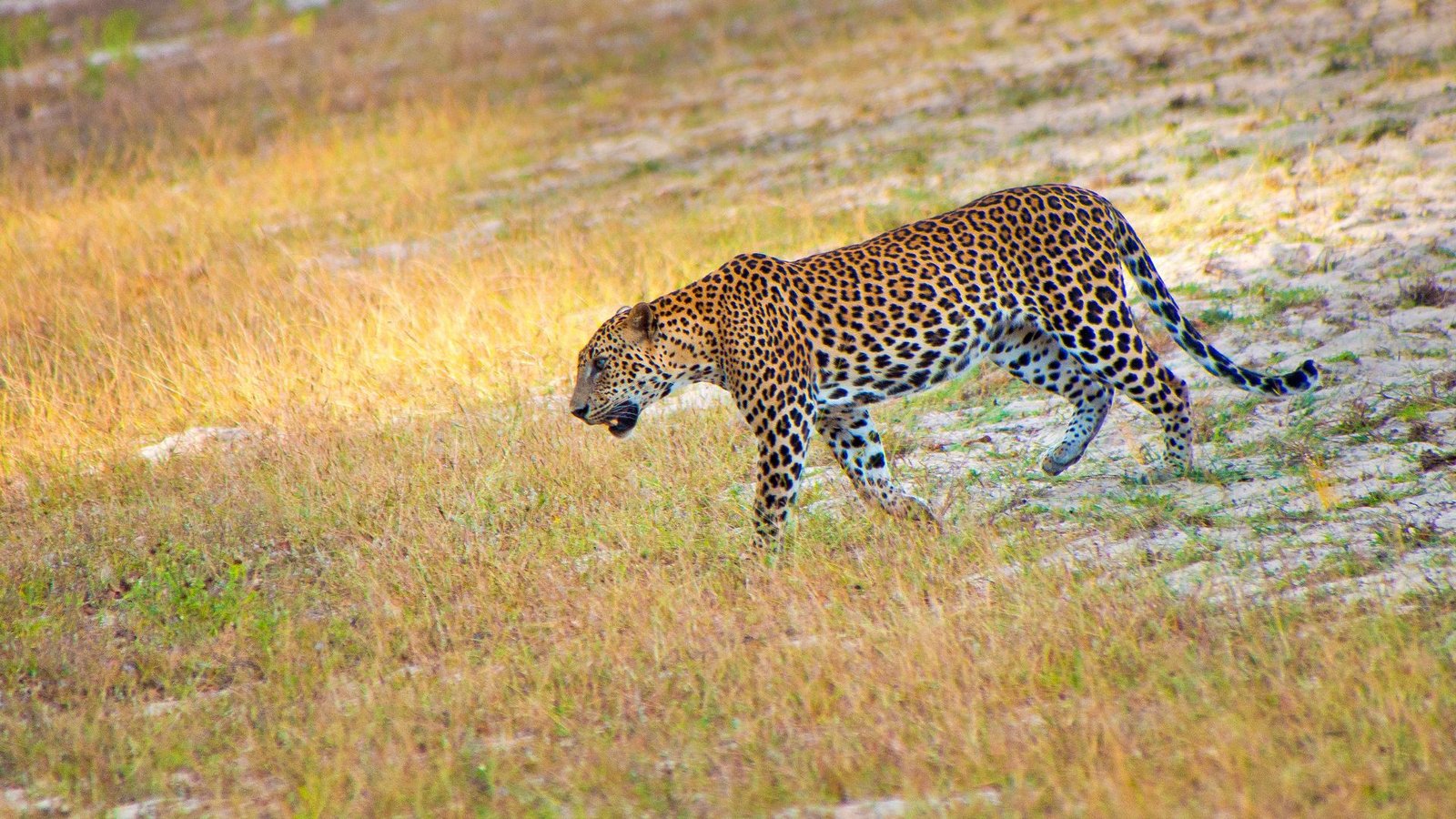
Leopard populations in Wilpattu rank among Sri Lanka’s highest densities, though the thick forest cover makes sightings more challenging than in Yala’s more open terrain. The leopards here are considered the Sri Lankan subspecies, slightly larger than their Indian cousins with distinct coat patterns. The combination of adequate prey populations – spotted deer, wild boar, and smaller animals – with extensive territory and limited human disturbance creates ideal leopard habitat. Patient observers willing to spend time at villus during early morning or evening hours have reasonable chances of leopard encounters.
Sloth bears inhabit Wilpattu’s forests, making it one of the better locations in Sri Lanka for observing these shaggy omnivores. The bears feed on termites, fruits, and other food sources that the varied habitat provides. Unlike leopards which can be spotted at water sources, sloth bears are more often encountered along forest tracks or at fruiting trees. Their unpredictable nature and potential aggression when surprised makes bear encounters exciting if somewhat nerve-wracking experiences.
The coastal position brings marine influences uncommon in other Sri Lankan parks. Salt-tolerant vegetation grows near the coast, and the park’s western boundary provides habitat for species adapted to coastal environments. The proximity to the ocean also affects weather patterns, with sea breezes moderating temperatures somewhat compared to fully inland locations. This coastal connection creates transition zones where terrestrial and marine ecosystems meet.
Bird diversity reflects the habitat variety within park boundaries. Forest species like hornbills and woodpeckers inhabit the denser areas, water birds concentrate around villus, and scrubland specialists occupy the more open zones. The park lies along migration routes, bringing seasonal visitors that augment the resident bird population. Over 230 species have been recorded, making Wilpattu significant for both casual bird watching and serious ornithological study.
Best Time to Visit Wilpattu National Park
February through September represents the main dry season when wildlife viewing conditions are optimal. As water sources outside the park dry up, animals concentrate around the remaining villus within park boundaries, making sightings more predictable. April and May stand out as particularly hot months when midday temperatures can exceed 35°C, but this heat drives animals to water sources during early morning and late afternoon safari times. The vegetation thins somewhat during extended dry periods, reducing cover and improving visibility into forest areas.
August and September see some of the best wildlife viewing as the dry season reaches its peak. By this time, many villus have dried completely or shrunk to small pools, concentrating animals at the few reliable water sources. Elephants move through the park more frequently during these months, and leopard sightings increase as they patrol reduced territories around favored water holes. The desperation for water makes animals less cautious, sometimes allowing closer approaches than during wetter periods when they can afford to be more selective about watering locations.
October through January brings the northeast monsoon and park closure periods. Wilpattu typically closes during heavy rain periods when tracks become impassable and the influx of water disperses wildlife across much wider areas. The closure dates vary year to year depending on actual rainfall patterns. When open during this period, the landscape transforms – villus fill with water, vegetation explodes in green growth, and the park takes on a completely different character. Bird activity peaks as both residents and migrants exploit the abundant food that monsoon conditions provide.
March marks a transition month between dry and wet patterns. Weather remains relatively dry but not yet at the intense heat of April and May. Wildlife viewing remains good as animals continue using established villu areas, but the slightly cooler temperatures make safari conditions more comfortable. This month often provides a sweet spot of good wildlife opportunities with pleasant viewing conditions before the heat builds or rains arrive.
Safari timing within the day significantly affects what you observe. Early morning safaris starting at 6 AM catch animals as they finish nighttime activities and move to water sources before seeking shade during the hottest hours. Evening safaris from 2:30 PM onward see animals emerging from midday rest to drink and feed before darkness. The hours between these times see much reduced activity as most wildlife rests in shade, making midday safaris generally less productive.
Things to See in Wilpattu National Park
Kali Villu ranks among the park’s most productive wildlife viewing locations. This large villu retains water longer than many others during dry seasons, attracting elephants, deer, wild boar, and water birds. The surrounding terrain provides good visibility across the water and into adjacent forest edges. Leopards occasionally appear at this villu, particularly during very dry periods when water sources become limited. The name “Kali Villu” translates to “dark villu,” possibly referring to water color or surrounding vegetation.
Manikkapola Uttu represents another significant villu that often holds water when others dry. The basin here is relatively large, and the mix of open water, marshy edges, and surrounding forest creates diverse micro-habitats. Crocodiles inhabit this villu, often visible basking on banks or floating in the water. The bird life concentrates heavily here during dry seasons when food availability increases as water levels drop and concentrate fish and other aquatic prey.
The coastal areas along Wilpattu’s western boundary provide different ecosystems than interior forests and villus. The vegetation shifts to salt-tolerant species, and the dune systems create distinct topography. While safari vehicles cannot typically access the actual coastline, some tracks run close enough to show the transition zones. The coastal influence affects animal movements, with elephants sometimes moving toward the coast, possibly seeking minerals or different browse species.
Ancient ruins scattered through the park reveal human occupation dating back centuries. These archaeological remnants include dagoba foundations, stone pillars, and monastery ruins indicating that Buddhist communities once inhabited areas now returned to wilderness. The most significant ruins appear in the northern sections where the ancient city of Pomparippu once stood. These historical elements add human history dimension to what appears as pristine wilderness but actually represents forest reclaimed from previous settlement.
Forest tracks wind through different vegetation types from open scrub to dense evergreen forest. The variety of forest structures supports different wildlife communities. Some tracks follow ancient paths that elephants still use, their long memories maintaining routes through the best habitat. Other tracks were cut specifically for park management and safari access. The most interesting sections feature mixed habitats where forest edges meet grassland or where villus transition into surrounding vegetation.
Things to Experience in Wilpattu National Park
The hunt for leopards creates safari tension as you scan trees, rocks, and open areas for the telltale spots that might reveal a camouflaged cat. Leopards in Wilpattu require more effort to locate than in some other parks, making successful sightings more rewarding. The thick vegetation means leopards can be surprisingly close before detection. Learning to spot signs – alarm calls from deer or peacocks, pug marks in sandy tracks, scratch marks on trees – heightens the experience beyond simply hoping to stumble upon a visible animal.
Elephant encounters in Wilpattu happen less predictably than in parks with resident herds, making each sighting special. The elephants here range across large territories and may appear suddenly on tracks or at villus. Their behavior appears wilder than in parks where elephants have become habituated to constant vehicle presence. Observing elephant family groups interacting at water sources, watching young calves play while adults drink, or witnessing adult males in musth creates powerful wildlife memories.
Bird watching reaches its peak around villu edges where multiple species concentrate. Water birds wade in shallows probing for food, forest birds come to drink and bathe, and raptors patrol overhead looking for prey made vulnerable by exposure near open water. The diversity of species appearing at a single villu during productive periods can be remarkable, with new birds arriving constantly as the morning or evening progresses.
The wilderness atmosphere pervades Wilpattu more strongly than in busier parks. Hours can pass without encountering other vehicles, creating feelings of isolation and adventure. The thick forest pressing close to tracks, the calls of unseen wildlife, the knowledge that leopards and bears inhabit the surrounding vegetation – all contribute to genuine wild character. This atmosphere appeals to travelers seeking authentic wilderness rather than guaranteed animal sightings in more controlled environments.
Camping opportunities exist within park boundaries at designated sites, allowing overnight experiences that day visitors miss. Spending the night surrounded by forest sounds – the call of spotted deer, the roar of leopards, the movement of elephants passing near camp – creates immersive wildlife experiences. Dawn breaks with bird calls, and evening settles with nocturnal species becoming active. The camping experience connects visitors to wild rhythms impossible to access during brief safari drives.
Why Visit Wilpattu National Park with a Local Guide
Finding wildlife in Wilpattu’s dense habitat requires tracking skills and knowledge of animal behavior that experienced guides possess. They can read signs invisible to untrained observers – fresh tracks indicating recent passage, bent grass showing where animals walked, disturbed soil at water edges, territorial markings on trees. This interpretive ability dramatically increases wildlife encounter rates compared to simply driving around hoping for lucky sightings. Guides also understand seasonal movement patterns and know which villus typically hold animals during different conditions.
Leopard spotting demands particular expertise as these camouflaged cats blend remarkably well with their surroundings. Guides train their eyes to detect the patterns, movement, or unusual shapes that might indicate a leopard’s presence. They know which trees leopards favor for resting, which rocks provide good ambush positions, and what signs suggest a leopard nearby even when not visible. Their ability to spot leopards that visitors would drive past without noticing justifies guide employment by itself for many safari enthusiasts.
Understanding animal behavior helps predict movements and increases photography opportunities. Guides recognize when elephants are feeding casually versus moving with purpose, when deer alarm calls indicate predator presence, when bird behavior suggests something interesting nearby, and when to wait patiently versus when to move on. This behavioral knowledge comes from thousands of hours observing wildlife and cannot be learned from books or brief visits.
Navigation through Wilpattu’s track network prevents getting lost in the extensive park where many tracks look similar and signage is minimal. The park covers enormous area with numerous villu and connecting tracks that can confuse unfamiliar visitors. Guides know the track system intimately, understanding which routes lead to productive viewing areas, which tracks become difficult during certain conditions, and how to efficiently visit multiple villus during limited safari time. This navigation expertise maximizes wildlife viewing opportunities within the strict time limits park rules impose.
Safety awareness becomes important when observing potentially dangerous animals. Guides understand safe distances for different species, recognize warning signs when elephants become agitated, know how to behave during unexpected sloth bear encounters, and handle situations where leopards approach closer than comfortable. Their experience keeps safari participants safe while still allowing meaningful wildlife observation that inexperienced visitors might handle inappropriately.
Bird identification transforms the experience for those interested in avian diversity. Guides can identify birds by sight, call, and behavior, helping visitors distinguish between similar-looking species and understand what they’re observing. They know which birds are rare or significant sightings versus common species, which behaviors indicate breeding activity, and which species are resident versus migratory. This ornithological knowledge particularly benefits serious birders wanting to maximize their species lists.
The ecological relationships that guides explain add depth to wildlife observation. They can discuss predator-prey dynamics, explain how villu systems function ecologically, describe plant-animal relationships like specific trees that elephants favor, and share information about conservation challenges the park faces. This educational dimension transforms safaris from entertainment into learning experiences that foster environmental understanding and conservation awareness.
Photography guidance helps capture better wildlife images. Guides position vehicles for optimal angles considering light direction and background, communicate with drivers to make small positioning adjustments, predict when animals might move or perform interesting behaviors worth capturing, and suggest camera settings appropriate for different conditions. Their assistance produces significantly better images than visitors typically achieve on self-drive safaris where they must simultaneously navigate, spot wildlife, and handle photography.